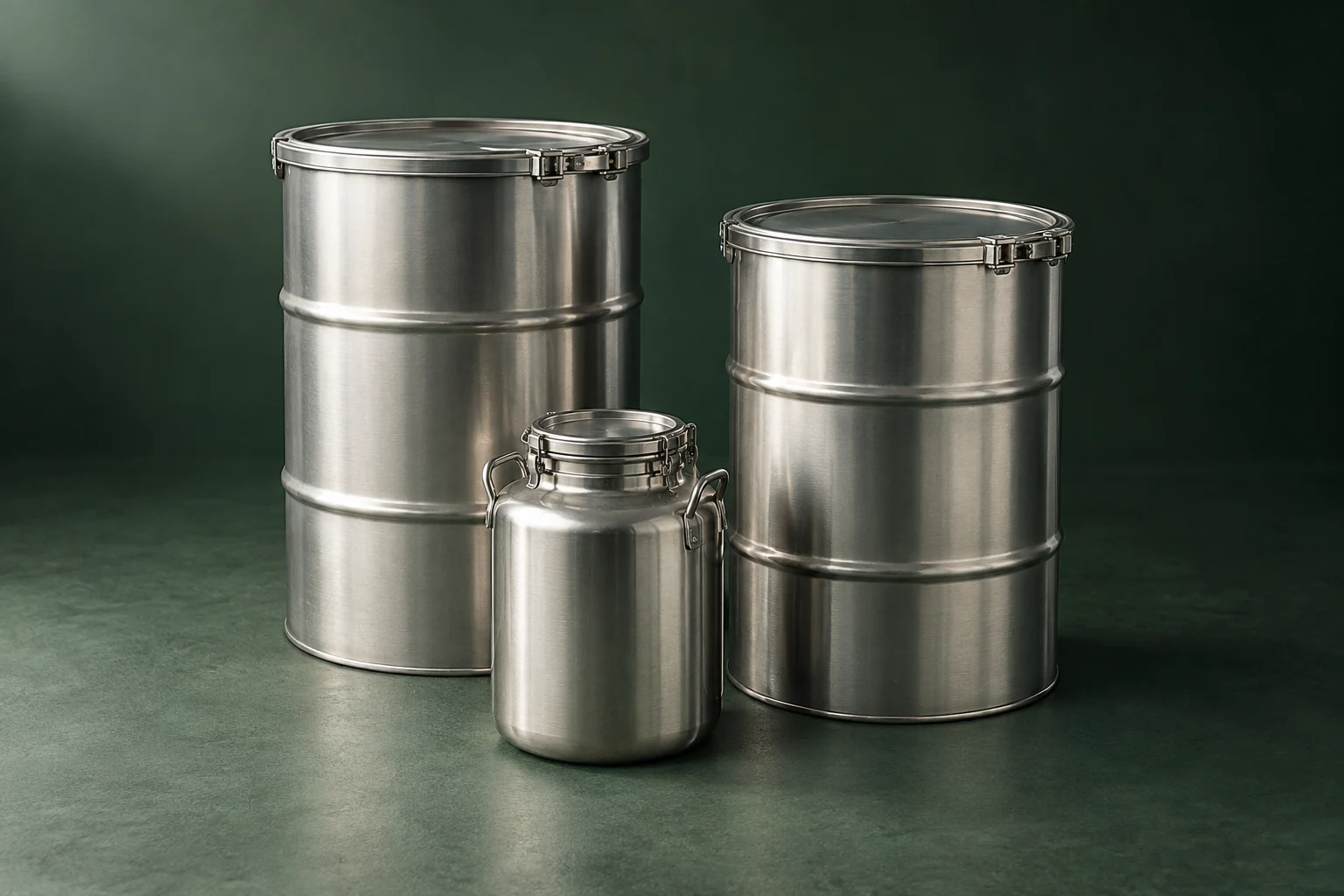
Portable batteries
Sealed portable batteries used across consumer products and smaller equipment.
 Let’s talk
 03 / BATTERY WASTE
Plan the next chapter for batteries with category-specific EPR support, recycler coordination and organised programme records—from your initial review through return preparation.
Discuss your requirements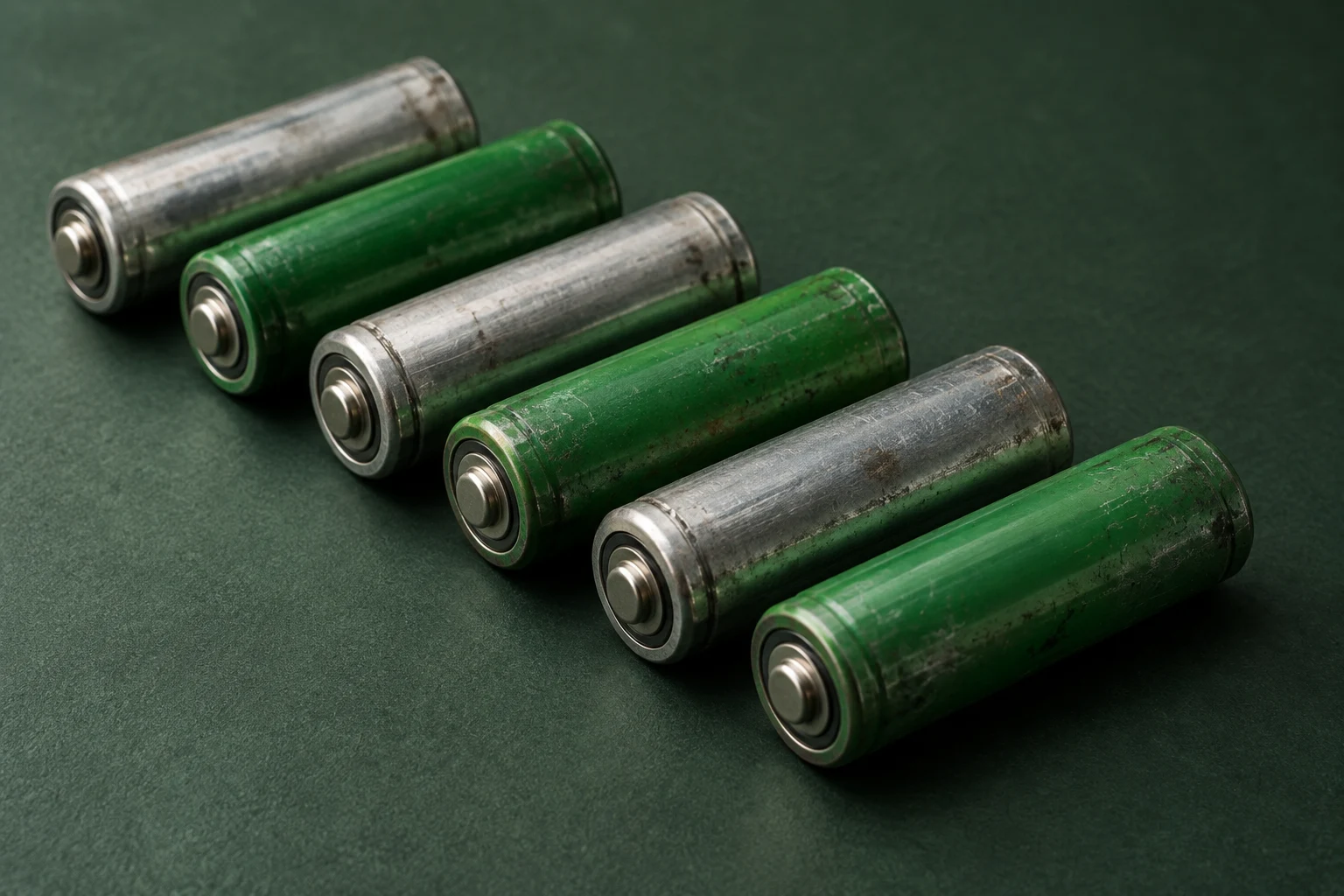
UNDERSTAND YOUR STARTING POINT
A battery programme begins with the batteries placed on the market or generated as waste: their category, chemistry, application and the role of the business handling them. Batteries contained in equipment also need attention during the review.
Recycle Veda helps connect these details with your registration, recycling coordination and documentation needs. The aim is a service plan grounded in your battery stream, with clear responsibilities and an agreed scope.
Identify both the battery category and its chemistry. These details help structure the enquiry and the relevant recovery and record-keeping discussions.
Sealed portable batteries used across consumer products and smaller equipment.
Batteries designed for traction in electric vehicles.
Batteries used for vehicle starting, lighting or ignition applications.
Batteries designed for industrial uses, including relevant stationary applications.
RECYCLE VEDA / SERVICE SCOPE
Choose the support your team needs.
Agree the scope before work begins.
Organise category, chemistry, application and business-role information before defining the required support.
Prepare business and battery-related documentation for the applicable registration work in your scope.
Bring sales, import or waste battery information into a clear plan for services, coordination and budgeting.
Discuss recycling or refurbishment requirements and the registration information relevant to the selected route.
Connect the relevant category, quantity and certificate information needed for your producer EPR programme.
Organise programme records and reporting inputs, with support for the agreed filing activities.
HOW WE WORK WITH YOU
Identify the category, chemistry, application and your role in the value chain.
Review records, registration needs, recycling requirements and budget.
Connect the agreed partner activities and battery handover arrangements.
Bring quantities, transaction information and applicable EPR records together.
PREPARE FOR YOUR FIRST CONVERSATION
Flag battery condition and any damaged or defective units at the outset. Handling and transport arrangements need to be agreed with the appropriate specialist providers for that stream.
Discuss battery wasteAn initial preparation guide. The final document set is confirmed for your activity and the services agreed.
YOUR QUESTIONS, ANSWERED
Need to discuss a specific product, waste stream or business activity?
Ask our teamYes. The battery framework includes producers importing equipment containing batteries. The business role and battery details should be assessed alongside the equipment portfolio.
A single generic plan may miss important differences. Share the category, chemistry, application and condition so the appropriate partner and documentation requirements can be discussed.
No. They are distinct activities with different roles in the battery framework. The relevant route and its effect on programme records should be clarified before planning fulfilment.
Not solely because they become waste. The business role needs to be reviewed separately from the duties associated with handling or handing over waste batteries.
Yes. Discuss the gaps in your existing programme so the scope can focus on registration support, recycling coordination, records or return preparation.
Use the rules, amendments and current portal guidance together when reviewing the requirements for your activity.
ONE PARTNER. MORE POSSIBILITIES.