IT & telecom equipment
Computers, communication equipment and related notified products.
 Let’s talk
 02 / ELECTRONIC WASTE
Bring your electronic product portfolio, producer responsibilities and recycling coordination into one practical programme—with support for registration, records and return preparation.
Discuss your requirements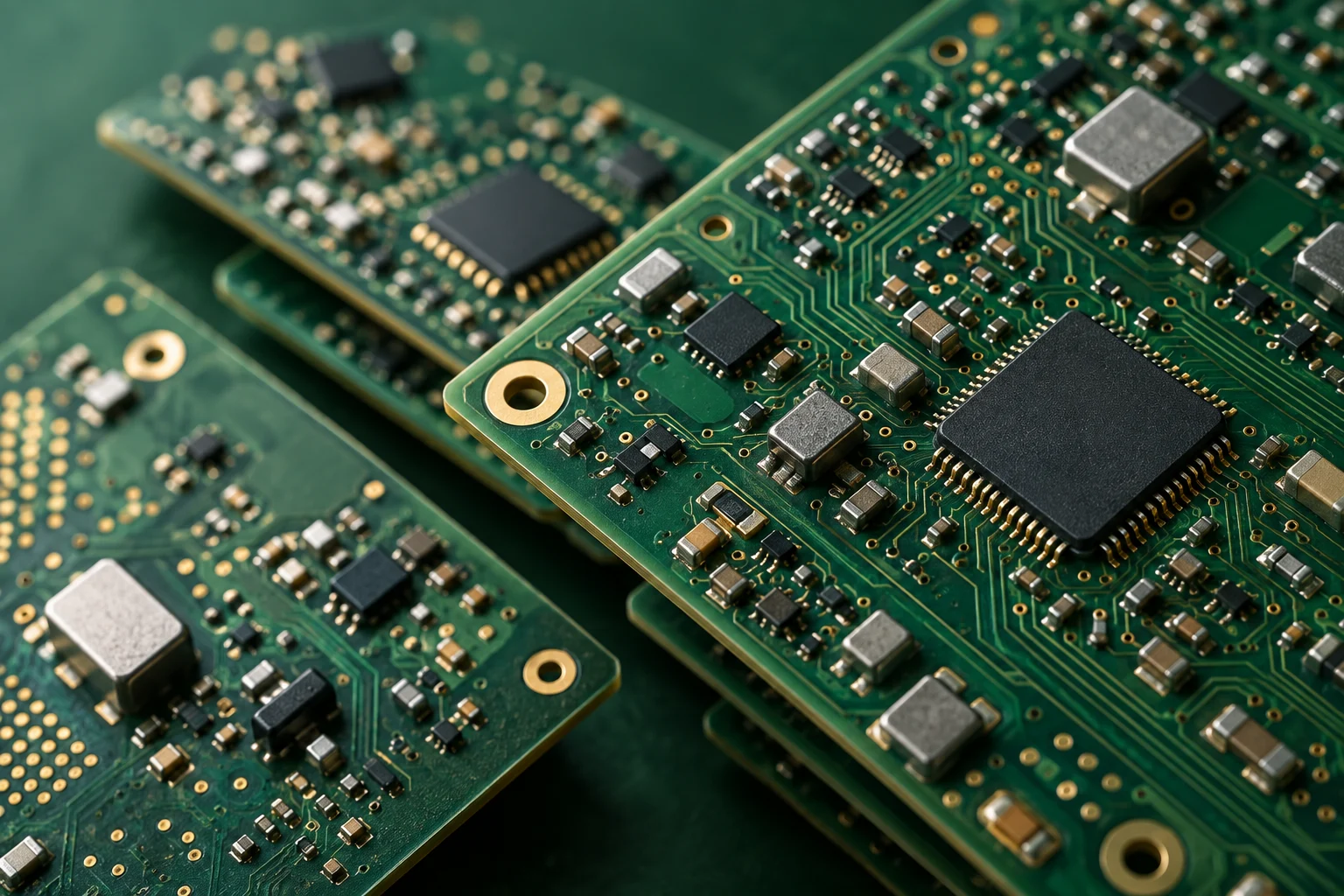
UNDERSTAND YOUR STARTING POINT
E-waste covers electrical and electronic equipment that has reached the end of its use, including components and parts within the applicable framework. For EPR, the exact product category and the business role are important starting points.
A producer’s EPR programme and an organisation’s disposal of its old office equipment are different requirements. Recycle Veda helps you define the support needed, then connect registration, collection coordination, recycler relationships and documentation.
These are starting points for a product discussion, not a complete list of regulated equipment. The exact equipment entry and applicable exclusions need to be checked.
Computers, communication equipment and related notified products.
Relevant appliances and consumer electrical or electronic equipment.
Covered electrical tools, instruments and equipment used in specialised settings.
Parts, components and accessories associated with equipment covered by the rules.
RECYCLE VEDA / SERVICE SCOPE
Choose the support your team needs.
Agree the scope before work begins.
Organise equipment descriptions and business activities to support a review of relevant product categories.
Prepare company, product and supporting information for the registration services included in your scope.
Bring sales or import data, existing arrangements and service requirements into a practical plan and budget.
Plan the quantities, locations and handover requirements for end-of-life equipment that needs collection support.
Connect recycling requirements and discuss relevant recycler registration and certificate records within the agreed programme.
Organise product data, transaction information and programme evidence for return preparation and follow-up.
HOW WE WORK WITH YOU
Review the equipment portfolio and whether the enquiry concerns producer EPR or waste equipment disposal.
Confirm registration, quantity data, collection requirements and the budget.
Connect the agreed collection and recycler-related activities with supporting records.
Bring the relevant product, transaction and certificate information together.
PREPARE FOR YOUR FIRST CONVERSATION
If the equipment contains business or personal data, raise your data-handling requirements before agreeing any handover. Data destruction services and evidence must be explicitly confirmed in the service scope.
Discuss electronic wasteAn initial preparation guide. The final document set is confirmed for your activity and the services agreed.
YOUR QUESTIONS, ANSWERED
Need to discuss a specific product, waste stream or business activity?
Ask our teamNot automatically. A business disposing of equipment it has used is in a different position from a business manufacturing, selling under its brand or importing covered equipment. Start by identifying your role.
No. The rules specify equipment categories and exclusions. Product mapping is needed before deciding which registration, reporting or EPR requirements apply.
A general scrap receipt is not the same as a valid EPR certificate record. Relevant registration, material category and portal requirements need to be checked as part of the programme.
It should never be assumed. Share your data-security requirements and confirm the method, responsible provider and evidence before equipment is handed over.
Yes. The scope can focus on particular needs such as collection coordination, recycler connections, record organisation or return preparation.
Use the rules, amendments and current portal guidance together when reviewing the requirements for your activity.
ONE PARTNER. MORE POSSIBILITIES.